Cake Mockup: A Cheerful, Versatile Embroidery Design Worth Your Thread
First Impressions: Sweet, Simple, and Surprisingly Adaptable
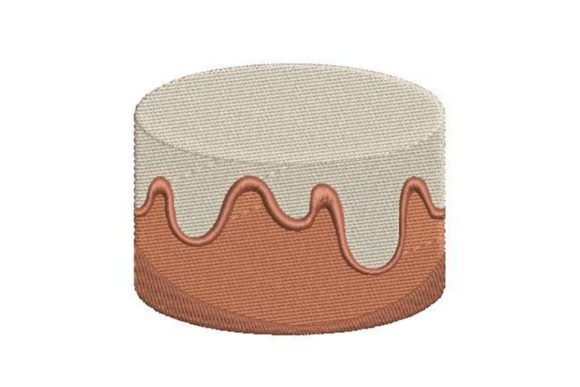
When I opened the Cake Mockup embroidery file, I didn’t see just another food-themed design—I saw a cheerful little personality waiting to land on a kitchen towel, a baby onesie, or a boutique tote bag. Its shape is rounded and friendly, not overly fussy or cartoonish, with clean outlines and balanced proportions that suggest confidence in stitch execution. It reads as joyful without tipping into cutesy overload—ideal for handmade products where sincerity matters more than flash.
A Real Project Test: Stitching It onto a Linen Tea Towel
Last week, I used Cake Mockup for a small-batch holiday gift set: three linen tea towels, each embroidered with a different dessert motif. I chose this design for the center panel—just above the hem—because its compact scale (no sprawling flourishes or delicate legs) held up beautifully on the slightly nubby texture of medium-weight linen. The satin stitch edges stayed crisp, the fill stitch remained even, and the overall shape read clearly from across the room. Customers who later bought these at our local craft fair commented on how “real” the cake looked—not like a flat graphic, but like something stitched with care.
Where Cake Mockup Shines—and Where It Needs Thought
This machine embroidery design naturally excels in custom apparel and home goods: think sweatshirt pockets, apron corners, pillow covers, and embroidered patches for café staff uniforms. Its cheerful theme fits perfectly in the Food Dining category without leaning too hard on novelty—it feels warm, inviting, and timeless enough for repeat use.
It also works well for personalized gifts, especially baby embroidery and nursery decor. I tested it on a soft cotton onesie using lightweight tear-away stabilizer—and while the topstitching stayed clean, I did notice the fill area needed a slight pause in stitch density to avoid puckering on ultra-thin fabric. On denser fabrics like denim or canvas tote bags? No issues. The design breathes.
That said, avoid pushing Cake Mockup into tight spaces without testing: curved surfaces like cap fronts can distort the roundness, and tiny hoops (under 4x4 inches) may force you to trim detail—especially around any decorative icing swirls implied by the layout. Also, on dark fabric, check whether your thread colors provide enough contrast; some lighter fills can disappear if not paired intentionally.
Design Integrity Meets Commercial Practicality
As an embroidery designer who supplies assets to Etsy sellers and small shop owners, I pay close attention to how a design supports brand consistency and buyer trust. Cake Mockup delivers here—not because it’s flashy, but because it’s legible. When stitched, it reads instantly as “cake,” not “abstract shape.” That clarity builds confidence in your finished product. Buyers scrolling through your shop recognize value faster. They imagine gifting it, using it, keeping it—because it feels intentional, not generic.
For craft business owners, that translates directly to higher perceived value. A well-executed Cake Mockup on a handmade apron says “thoughtful detail,” not “clipart transfer.” And because it’s built for multiple embroidery file formats, it integrates smoothly into most commercial embroidery workflows—whether you’re running ten units or one custom order.
Practical Designer Notes You’ll Actually Use
- Always test first—on scrap fabric matching your final project’s weight and stretch. Linen behaves differently than cotton poplin; jersey will behave differently again.
- Review stitch density before hooping. Dense fill areas can cause tension issues on lightweight or textured fabric—adjust if needed, or add a layer of cutaway stabilizer underneath.
- Confirm hoop size—some versions of Cake Mockup may include optional elements (like a candle or sprinkles) that expand the footprint. Know what you’re stitching before you commit.
- Inspect small details under magnification. Even subtle curves or tapered ends need clean satin stitch transitions—look for skipped stitches or thread nests in tight turns.
- Test black-and-white mockups alongside color. If the design loses impact in grayscale, it may rely too heavily on thread shading—riskier for consistent reproduction.
- Use proper stabilizer—lightweight tear-away for stable wovens, cutaway for knits or high-wear items like tote bags or baby clothes.
- Verify licensing before selling finished items or digital embroidery files. Since Cake Mockup is positioned for commercial embroidery use, confirm whether redistribution or resale of the digital embroidery file itself is permitted.
Beyond the Stitch: Why This Design Fits Real Creative Work
I’ve seen dozens of cake-themed embroidery files—some overly detailed, some too minimal to read, many stuck in seasonal tropes. What makes Cake Mockup stand out is its quiet versatility. It doesn’t scream “birthday!” or “bake sale!” It simply says “celebration”—and that opens doors. A wedding boutique might pair it with monogrammed napkins. A coffee shop could embroider it onto barista aprons. An Etsy seller might bundle it with printable mockups for digital product previews.
It also holds up in hybrid projects—think applique design layered with simple running stitch accents, or combined with text-based embroidery for personalized gifts. Its visual personality stays coherent, never competing with adjacent elements.
Final Thought: A Reliable Asset, Not Just a Pretty File
Cake Mockup isn’t revolutionary—but then, the best embroidery design assets rarely are. It’s reliable, expressive, and quietly professional. It performs cleanly across fabric types, scales well for both personal keepsakes and small-batch production, and carries enough warmth to make customers smile without sacrificing craftsmanship. For anyone building a library of Embroidery design assets—or preparing their next round of handmade products, holiday embroidery, or craft fair inventory—this is one machine embroidery design worth keeping within easy reach.