Daniel Embroidery Design
First Impression: Festive, Personal, and Unexpectedly Versatile
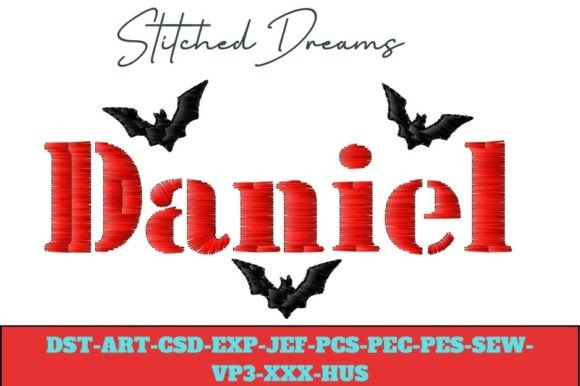
As an embroidery designer who’s prepped over 200 craft fair booths—and shipped thousands of embroidered tote bags, aprons, and tea towels—I’ll say it straight: Daniel Embroidery Design lands with quiet confidence. It’s not screaming “Halloween!” like a jack-o’-lantern stencil, but it *whispers* the season through thoughtful detail—playful yet polished, personal without being precious. The name “Daniel” anchors it in real-life charm, while the description hints at intricate stitching and a lighthearted Halloween spirit. That duality is gold for handmade markets: it feels both giftable and wearable, nostalgic and fresh.
Where It Shines on Craft Fair Products
In my booth setup—think woven market bags, linen aprons, cotton tea towels, and structured canvas pouches—Daniel Embroidery Design stands out strongest when used intentionally, not ubiquitously. Here’s how it performs across key categories:
- Tote bag design: Works beautifully as a subtle side-embroidered accent (lower left corner, 3–4 inches tall). Not overpowering, but instantly legible and memorable—especially on natural canvas or oat-colored linen.
- Apron embroidery: Ideal for the chest pocket or lower bib panel. Its name-based focus invites personalization without requiring custom digitizing—perfect for offering “Daniel” as a ready-made option alongside other names.
- Tea towel embroidery: A standout on flour-sack or waffle-weave towels. The “intricate details” mentioned in the description translate well here—if stitch density isn’t excessive—giving texture and heirloom appeal.
- Embroidered patch: Highly effective as a sew-on or iron-on badge. Small enough to scale down cleanly (with proper testing), bold enough to read at arm’s length—great for stacking with other seasonal patches.
- Caps and curved surfaces: Proceed with caution. Name-based lettering on a rounded crown demands clean kerning and simplified outlines. If the original machine embroidery design includes fine serifs or tight loops, those may distort. Always test on scrap cap fabric first.
- Pillow covers & pouches: Excellent focal point on 12"–16" square inserts or drawstring pouch fronts. The name “Daniel” reads clearly at 5–6 inches wide—ideal for small shop product displays where clarity trumps complexity.
What Makes It Sell—And What Might Slow You Down
This digital embroidery file succeeds because it bridges two powerful buyer motivations: personal connection (“Daniel” feels human, not generic) and seasonal relevance (Halloween without cliché). At a craft fair, that means faster eye contact, longer booth stops, and higher perceived value—even on a $28 tote bag.
But practicality matters just as much. Ask yourself: Is Daniel Embroidery Design easy to understand at a glance? Yes—if sized appropriately and stitched with contrast thread. Does it work as both accent and focal point? Absolutely—as long as you avoid shrinking it below 2.5 inches tall on textured fabric. How does it photograph for Etsy listings or printable mockups? Strongly, assuming lighting highlights the stitch texture and thread colors pop against your background.
Batch production is very doable—provided the stitch density stays moderate. Overly dense fills or tiny interior details will slow machines and increase thread breaks. And remember: if you’re selling finished products commercially, confirm whether this embroidery file includes commercial licensing. Since it’s listed under Freebies, double-check terms before scaling beyond personal use.
Careful-Use Notes Every Designer Should Heed
That “intricate details” claim? It’s a cue—not a promise. Before cutting into your best linen or hooping up dark denim, run these checks:
- Dense stitch areas: Zoom in on the file. Are there satin-stitched letters with overlapping fills? Those trap heat and shift on terry cloth or thick twill.
- Tiny details: Look for eyelashes on a ghost motif, delicate stems, or micro-dots. They vanish on tea towels or caps—and frustrate customers who expect crispness.
- Small lettering: If “Daniel” drops below 1.75" in height, test readability on your target fabric. Even premium machine embroidery design can blur on looped terrycloth or nubby burlap.
- Dark fabric + light thread: The Halloween tie-in suggests possible black or deep purple bases. Ensure your chosen thread colors provide enough contrast—no guessing. Hold swatches in daylight.
- Fabric texture: Waffle-weave, linen slubs, and quilted cotton diffuse fine lines. Simplify expectations—or choose alternate placements (e.g., smooth cotton backing instead of front towel surface).
Design Notes That Prevent Booth-Day Disasters
From years of stitching under deadline pressure, here’s my non-negotiable checklist before committing Daniel Embroidery Design to 50 tote bags:
- Test the embroidery file on scrap fabric matching your final product’s weight and weave.
- Verify thread contrast using actual spools—not screen previews.
- Review letter spacing: Tight kerning looks elegant on screen but can merge under thread tension.
- Confirm hoop size compatibility—especially for aprons or pouches with narrow margins.
- Inspect stitch density visually; if fills look muddy or overly saturated, reduce density or adjust underlay.
- Use the right stabilizer: Cutaway for knits, tear-away for stable wovens, and fusible + tear-away for tea towels.
- Create at least one real mockup—not just a digital render—to assess drape, proportion, and tactile quality.
- Compare fabric colors side-by-side: A warm oat linen versus cool stone gray changes how “Halloween” reads entirely.
- Confirm commercial licensing status—this is essential for any handmade product sold beyond gifts or personal use.
Final Thought: A Quiet Standout With Real Market Legs
Daniel Embroidery Design won’t dominate your booth like a glittery pumpkin—but it will linger in memory. It adds warmth to an apron, personality to a pouch, and intentionality to a gift set. For Etsy sellers, small shop owners, and craft fair veterans, it’s the kind of digital embroidery file that supports storytelling, not noise. Used thoughtfully—with attention to fabric, scale, and finish—it elevates your entire craft fair product lineup. Just remember: great embroidery isn’t about the file alone. It’s about how that file meets your needle, your fabric, and your customer’s hand.