Flowers Boho Embroidery Design
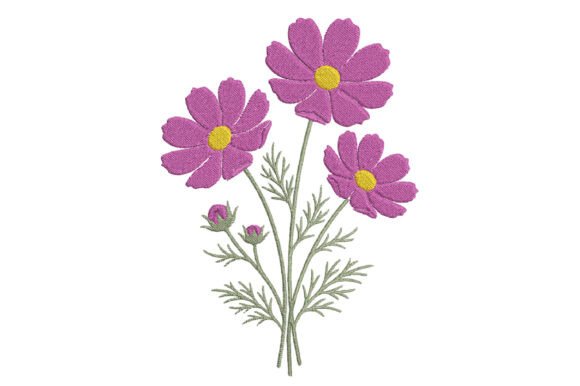
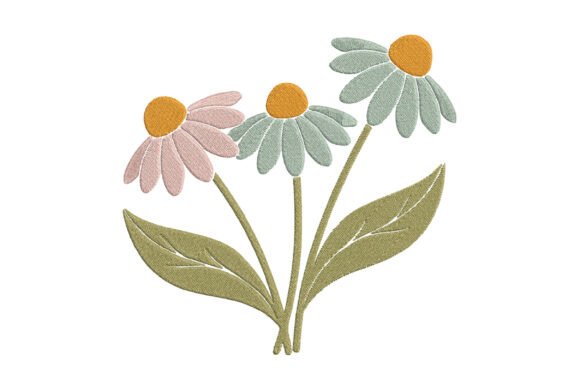
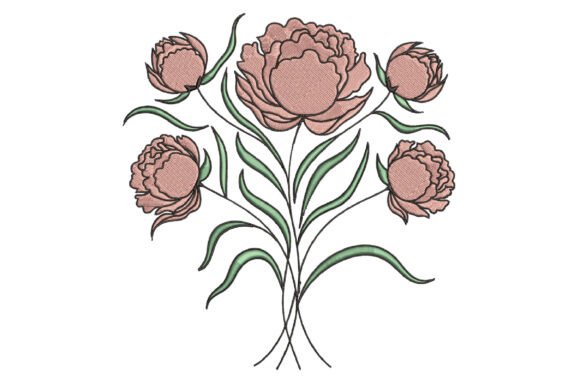
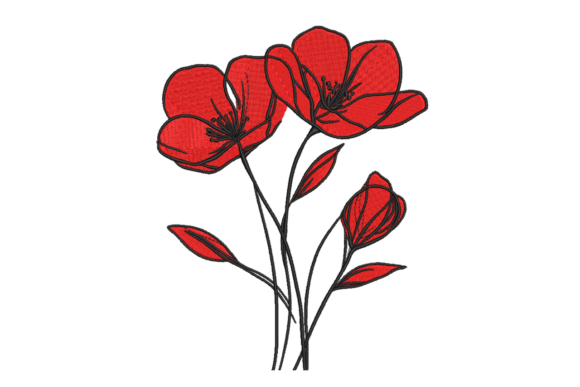
When I first unzipped the Flowers Boho Embroidery Design file and loaded it into my machine embroidery software, I was looking for one thing—will this stop a craft fair customer in their tracks? The short answer is yes, and I’ll walk you through exactly why. This design blends soft floral elements with a relaxed, slightly romantic line art feel. The “Love Hands” detail mentioned in the description gives it a gentle, human touch, almost like a hand-drawn sketch translated into stitches. That boho aesthetic is exactly what moves at handmade markets right now. It’s not too loud, not too rustic, not too farmhouse—it’s modern, airy, and versatile. For anyone selling physical finished products at weekend markets, on Etsy, or through boutique pop-ups, this design earns a serious look.
First Booth Impression and Visual Pull
From across a tent, the Flowers Boho Embroidery Design reads as intentional and delicate. The line art composition catches the light without being overpowering. On a cream tote bag or a natural linen apron, it creates that high-end handmade vibe customers associate with slow fashion and thoughtful gifts. Because the design carries a floral motif with a hand-drawn personality, it feels both feminine and neutral enough to appeal to a broad audience. At a craft fair, that first visual hook matters. Shoppers often glance over dozens of booths—this design gives them a reason to pause, touch, and ask about the stitching.
Where This Machine Embroidery Design Shines Brightest
After running multiple test stitches, I’m confident this embroidery file works best on flat, medium-weight fabric surfaces. The design’s charm lies in its fine lines and open spaces, so it needs a stable base to keep the stitch definition crisp. Here are the products I’d prioritize for a craft fair table:
- Tote bags and market bags: The hero product. A canvas tote with this design centered on the front pocket or lower corner is an easy upsell. It looks intentional, not like a slapped-on decal.
- Aprons: A linen or cotton apron with the design placed on the bib or across the waistband brings a cozy, pottery-studio chic. Shoppers buying for themselves or as gifts gravitate toward aprons that feel special.
- Tea towels: If you use a flour sack or smooth cotton towel, the line art stitches beautifully. Avoid heavy textured towels, though—the fine details can get swallowed.
- Pillow covers: A single accent pillow with this boho floral embroidery on a visible shelf creates a whole lifestyle display. It invites customers to imagine the piece in their own home.
- Fabric pouches and small zipper bags: Perfect for a quick add-on sale. The design scales down well for a small cosmetic pouch, giving it a boutique feel.
- Kid’s clothing: The description calls out kids’ clothing, and I agree—on a denim jacket back or a simple cotton dress yoke, the airy flowers feel playful but not overly babyish.
I’d be cautious with caps and curved surfaces. The line art style demands a flat, even stitch field. On a structured cap, the design can distort around the center seam unless you’re very experienced with curved surface embroidery. Similarly, embroidered patches are possible, but you’ll need a dense, firm edge to the patch, and the fine lines might lose some clarity if the patch is too small. I’d recommend keeping patch sizes at least 4 inches wide to preserve the detail.
Practical Production Notes for Small Batch Sellers
For anyone running a small shop product lineup, consistency is the secret to profit. This design is highly repeatable once you’ve locked in your settings. Here’s what I learned during my test sewouts:
- Hoop size matters. Even though the design appears light, the spread of the floral elements can be wider than expected. Double-check the embroidery file dimensions before you commit to your smallest hoop. I’d recommend a 5x7 or larger hoop to avoid cramping the flow.
- Stitch density is gentle on most fabrics. Because it’s line art, there aren’t huge fill areas, so you won’t deal with the bulletproof stiffness that turns a tote bag into a board. This is a huge plus for wearable items.
- Thread color choices dramatically change the mood. On natural linen, a soft charcoal or dusty rose thread keeps the boho feel. On white canvas, a muted sage or terracotta makes it pop without screaming. Dark fabrics need careful contrast—a pale thread on black can look stunning, but you must test on scrap fabric first because the fine lines can disappear if the thread blends too much.
- Stabilizer is non-negotiable. For line art, any slight shifting during stitching will wobble the curves. I use a medium-weight cutaway stabilizer on tote bags and aprons, and a tear-away for lighter fabrics like quilting cotton. For towels, add a water-soluble topping to keep the stitches from sinking into the pile.
Things That Could Go Wrong If You Rush
I always say, the design itself is only half the success. The other half is how you execute it. With the Flowers Boho Embroidery Design, watch out for these trouble spots:
- Tiny details at small sizes: If you try to shrink this design below 3 inches, the fine line work may become thread-heavy or break. Always do a test stitch at the exact size you plan to sell.
- Thick or textured fabric: A nubby linen or terry towel can blur the delicate lines. Choose smooth weaves for the cleanest result.
- Loose tension: Even a slight bobbin tension issue becomes obvious on a design with so many open spaces and thin lines. Run a tension test before your batch.
- Dark fabric without a base layer: If you’re stitching on navy or black, consider a light underlay or use a slightly thicker thread to maintain visibility. The design’s elegance vanishes if customers can’t see the hand-drawn look.
How This Design Performs for Online Sellers and Etsy Listings
As an Etsy seller myself, I’m always thinking about how a finished product photographs. The Flowers Boho Embroidery Design is a dream for flat lays and styled mockups. Because the line art is crisp yet airy, it photographs well even in natural, indirect light. You don’t need a perfect studio setup. A linen pillow cover with this embroidery placed next to a dried flower bundle and a cup of coffee creates an instant lifestyle shot that boosts engagement.
If you’re selling the digital embroidery file itself, this design is equally strong. The boho aesthetic is trending, and the “Love Hands” element adds a unique twist that separates it from a basic floral. When you list it, include a clear printable mockup showing the design on multiple products. That helps buyers visualize the end result and increases the perceived value of the design assets. Remember to confirm your commercial licensing before selling finished products—always check the designer’s terms, especially if you plan to produce large quantities for craft fairs.
Building a Cohesive Booth Display Around This Boho Floral
At a live market, you want your table to feel like a collection, not a random assortment. The Flowers Boho Embroidery Design gives you a flexible anchor piece. I used it across three product types in my last mock setup: a large tote bag, a half apron, and a set of two tea towels. By keeping the thread color consistent (a warm clay tone), the whole display felt coordinated. Customers started picking up items to compare, and that tactile engagement led to more sales.
Place the design where it catches the eye at different heights. A tote bag hung on a pegboard at eye level, a pillow cover on a chair, and a tea towel draped over a basket handle. The craft fair product lineup that uses this design feels collected, not mass-produced. That’s the sweet spot for handmade sellers.
Final Designer Notes Before You Stitch for Market
Every time I review a new machine embroidery design, I run through a mental checklist. Here’s what I’d do with this one before the first market day:
- Test the design on the exact fabric you’ll use, not just a scrap of cotton. That tote bag canvas might behave differently.
- Evaluate thread contrast in person under both daylight and warm booth lighting. The subtle colors can shift.
- Check the hoop size and verify the design’s actual stitch area from the embroidery file. Don’t trust the thumbnail alone.
- Create one real finished product mockup, photograph it, and use it as a display piece so customers know exactly what they’re buying.
- Compare fabric colors—natural, oatmeal, blush, and soft white all pair beautifully with this boho floral. Hide the bright white and stark black unless you’ve tested thoroughly.
- If you’re layering the design with other embroidery files, keep the spacing generous. This design needs breathing room to shine.
The Flowers Boho Embroidery Design doesn’t try to be everything—it’s a quiet, confident piece that fits the Single Flowers Plants category but elevates it with a hand-drawn soul. For craft fair sellers, that’s a powerful combination. It’s the kind of design that makes a customer say, “I would never find this in a store.” That’s exactly what they’re looking for at a handmade market.