Merry Christmas Embroidery Design Review
First Impression: Elegant, Festive, and Instantly Recognizable
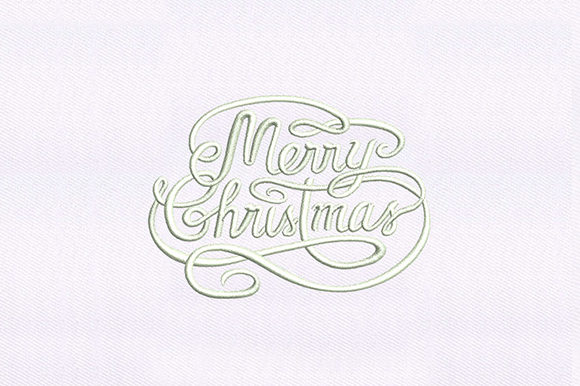
As an embroidery designer who’s prepped over 200 craft fair booths—from snowy Midwest markets to sunlit Southern pop-ups—I opened Merry Christmas expecting charm. What I got was confidence. This isn’t a playful or cartoonish script—it’s refined, with graceful swashes that flow like ink on vintage holiday stationery. It reads as *elegant* first, *festive* second, and *timeless* third. That’s gold for handmade sellers: it avoids trend fatigue while still feeling unmistakably Christmas. Customers scanning your booth won’t pause to decode tone—they’ll feel the warmth, the intention, the handmade quality before they even read the words.
Where Merry Christmas Shines On Craft Fair Products
This machine embroidery design thrives where legibility meets luxury—especially on products people hold, gift, or display. Here’s how it performs across your most common craft fair lineup:
- Tote bag design: Perfect centered on natural canvas or oatmeal linen. The swashes drape beautifully across the fabric plane, giving movement without clutter. At 6–8 inches wide, it commands attention without overwhelming.
- Apron embroidery: Ideal above the pocket or along the waistband curve. The script adapts well to gentle contours—and because it’s text-based (not dense fill), it stays soft and wearable, not stiff.
- Tea towel embroidery: A standout on high-thread-count cotton or waffle-weave towels. Swashes catch light subtly, and the elegance elevates what’s often seen as utilitarian into a giftable small shop product.
- Embroidered patch: Works brilliantly at 3–4 inches—clean lines stay crisp, and the script reads clearly even when sewn onto denim jackets or backpacks.
- Pillow cover & pouch embroidery: Adds instant heirloom appeal. On velvet or linen blends, Merry Christmas feels luxe—not seasonal clutter.
- Caps & curved surfaces: Use caution. Tight curves compress swashes; test stitch on scrap baseball caps first. Better suited to flat-front panels than full-coverage crowns.
What Makes It Sell—Beyond the Stitch
Merry Christmas works because it’s emotionally intuitive and commercially smart. At a craft fair, buyers don’t stop for “interesting typography”—they stop for *feeling*. This design delivers nostalgia without cliché, sophistication without stiffness. It photographs exceptionally well for Etsy listings and Instagram posts: clean background, natural lighting, and one real mockup (like a folded tea towel beside cinnamon sticks) tells your story faster than ten bullet points.
It’s also highly repeatable for batch production. As a text-based machine embroidery design, it avoids complex fills or micro-details that slow down hooping or cause thread breaks. You can run 15–20 identical tote bags in a single afternoon—ideal when prepping for a weekend market. And because it’s not overly dense, it pairs well with multiple thread colors: deep forest green on cream, burgundy on oat, or classic red-and-cream on navy.
Careful-Use Notes Every Embroidery Designer Should Check
Even elegant designs have limits. Before cutting fabric or loading your hoop, ask:
- Is lettering too small for your intended product? Below 3 inches, swashes risk blurring—especially on textured towels or thick canvas. Test at your smallest target size.
- Does dense stitch area exist near swash terminals? Some script fonts pack too many stitches into tight loops. Zoom into your embroidery file—look for overlapping satin columns or tiny fill sections that could pucker or snag.
- How does it behave on dark fabric? Light thread on black or charcoal needs extra stabilizer support and possibly a topping (like water-soluble film) to prevent sinking into nap.
- Will curved surfaces distort the rhythm? Caps, mugs (if embroidering sleeves), or tapered pouches stretch script unevenly. Always do a physical mockup—not just a printable mockup—before committing.
Design Choices That Strengthen Your Booth & Brand
When you feature Merry Christmas across coordinated items—a set of three tea towels, matching apron + pouch, or a pillow + tote combo—it builds visual cohesion. That consistency signals professionalism to buyers and makes your booth feel intentional, not assembled. It also supports brand storytelling: if your shop leans rustic-chic, pair it with burlap tags and twine. If it’s modern-minimal, use crisp white linen and monochrome thread.
Crucially, this design doesn’t compete with your voice—it amplifies it. Unlike busy motifs or cartoon characters, Merry Christmas leaves room for your craftsmanship to speak: the precision of your tension, the richness of your thread, the care in your finishing. That’s what turns a craft fair product into a remembered purchase.
Practical Embroidery Designer Notes Before You Produce
Before stitching your first customer-ready piece:
- Test the design on scrap fabric matching your final product—same weight, weave, and stretch.
- Check thread contrast under both daylight and warm booth lighting. What looks vivid in your studio may mute under tent lights.
- Review spacing between letters. Tight kerning looks sharp on screen but can collapse on fabric—especially with satin stitch.
- Confirm hoop size compatibility. Script designs often need wider hoops—don’t assume it fits your standard 4×4.
- Inspect stitch density. High-density areas trap heat and stress stabilizer—use cutaway + tearaway combo on knits or stretchy fabrics.
- Choose stabilizer wisely: lightweight cutaway for stable wovens, fusible for linens prone to shifting, and topping for fuzzy or napped surfaces.
- Create at least one real mockup—not digital. Drape it, fold it, hold it. See how light hits the swashes. That’s your truest preview.
- Compare fabric colors side-by-side. Cream on ivory reads differently than cream on oat—small shifts change perceived elegance.
- Verify commercial licensing. If selling finished products, ensure your embroidery file permits commercial embroidery use. Never assume.
Merry Christmas isn’t just another holiday design—it’s a quiet differentiator. In a sea of snowmen and reindeer, it offers warmth with weight, festivity with finesse. For Etsy sellers, boutique makers, and craft fair veterans alike, it’s the kind of embroidery file that sells itself—because it lets your skill, your story, and your season shine through.