Bird Sitting Flowers Embroidery Design Review
I’ve been stitching out samples for my craft fair booth for years, and I’ve learned that not every machine embroidery design translates equally well to the tables, racks, and curious hands of a weekend market. When I opened the Bird Sitting Flowers file, I immediately knew I’d be testing it on at least six different products before making a final judgment. The product description says it’s “created to add a subtle touch of charm and creativity,” and that’s exactly the kind of promise that makes me both excited and cautious. Subtle can mean delicate and beautiful, but it can also mean lost from three feet away — the exact distance a customer stands from your booth. So here’s my honest, production-focused breakdown of how Bird Sitting Flowers could perform for your handmade product line, your Etsy shop, or your next craft fair weekend.
First Impression: A Soft, Inviting Design That Whispers Instead of Shouts
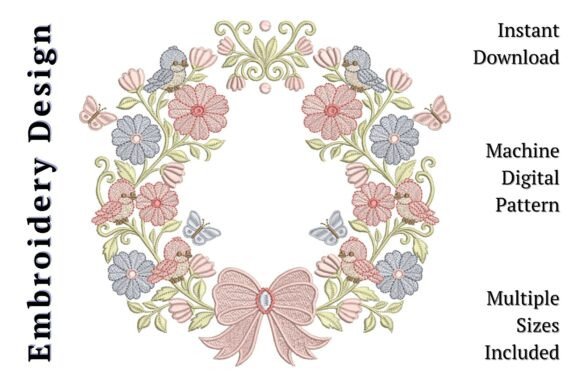
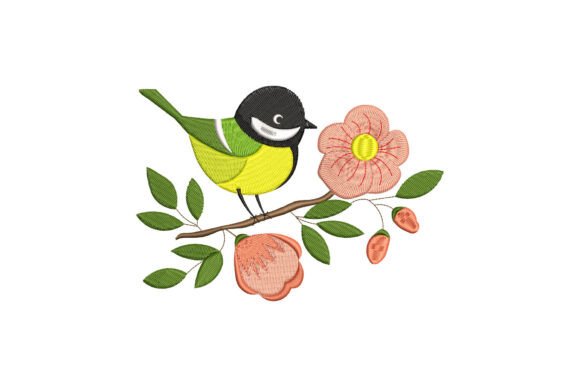
At first glance, Bird Sitting Flowers strikes me as a gentle, nature-inspired motif. It’s not a loud, graphic statement piece; it’s the kind of embroidery that draws someone in for a closer look. The composition suggests a small bird resting among blossoms or foliage, and I’d categorize its mood as soft, whimsical, and slightly rustic. It would fit beautifully in a farmhouse-style booth, a cottagecore product line, or any display that leans toward handmade warmth and botanical themes. There’s nothing edgy or modern about it, but that’s a strength when you’re selling to people who buy tea towels, children’s gifts, or garden-themed home décor. The charm is in the quiet details, not in bold contrast.
However, because it’s described as “subtle,” I immediately started thinking about visibility. If the stitch lines are too fine or the thread colors blend too easily into the fabric, this design could disappear on a busy market table. I’ll address that more in the production notes, but for now, I’ll say this: Bird Sitting Flowers has the potential to be a reliable, repeatable seller, provided you choose the right product and thread palette.
Where Bird Sitting Flowers Shines: Product Matching for Craft Fair Success
I always test a design on multiple product types before committing to batch production. Here’s how Bird Sitting Flowers would likely perform across the most common handmade market items I’ve used in my own booth.
Tote Bags and Market Bags
A natural canvas tote is a prime candidate. The soft, organic feel of the bird and flowers complements unbleached cotton or linen-look fabrics beautifully. I’d position the design as a small to medium accent in the lower corner or centered on the front pocket. It’s not overly large, so it won’t dominate the bag, but it’s enough to add a “handmade” touch that customers notice. For a market bag, this design could be the difference between a plain utility item and a giftable product. Just be careful with dense stitch areas on thinner totes — a medium-weight cutaway stabilizer is a must.
Tea Towels and Kitchen Linens
This is where Bird Sitting Flowers might truly earn its place. A tea towel with a softly embroidered bird perched on a floral branch is exactly the kind of thing that sells as a hostess gift or impulse buy. I’d stitch it on a flat-weave cotton towel, not a thick terry cloth, because the subtle details won’t hold up well on fuzzy or looped texture. The design would look best hanging from a drying rack or draped over a table edge at the booth, where the light catches the thread sheen. Keep the design size around 3 to 4 inches wide — small enough to keep the towel functional, large enough to read instantly.
Aprons and Home Décor
An apron with Bird Sitting Flowers on the bib or pocket adds a touch of personality without being overpowering. I’d lean toward a half-apron style with the design centered on the front, or a full apron with the embroidery on the upper chest. For home décor, it’s a natural fit for pillow covers, simple fabric wall art, or even a set of cloth napkins. The design’s charm works well in groupings, so consider stitching it on a matching set of two or three items to encourage multi-item purchases at your booth.
Pouches, Patches, and Small Accessories
I’ve found that small fabric pouches — zippered bags, coin purses, or eyeglass cases — sell incredibly well when they carry a delicate embroidery design. Bird Sitting Flowers would be perfect here, especially if you reduce it slightly to fit a 3-inch patch area. However, test the reduction carefully. Tiny details like bird feet, leaf veins, or flower stamens can become illegible or dense at smaller sizes. If you want to create embroidered patches, make sure the design has clean outlines and enough open space so the patch doesn’t turn into a stiff disc. I’d also consider stitching it on a cap, but only on the side or back, not the front center, because the curved surface can distort the delicate lines.
Practical Production Notes: What to Check Before You Stitch for a Market
My years of prepping for craft fairs have taught me that the prettiest design file can still fail if you ignore the practical side. Bird Sitting Flowers is charming, but I have a short list of must-check points before I’d run it for a paying customer.
- Stitch density and fabric texture: Subtle designs often rely on lighter fills and fine details. Test on the exact fabric you plan to sell. A thick towel or textured linen can swallow the stitch definition. I’d recommend a smooth, medium-weight cotton or linen blend as your base.
- Thread color contrast: The design’s success depends heavily on the thread you choose. If the bird and flowers are stitched in colors too close to the fabric, you lose the “subtle charm” and get a design nobody can see. I always test with a slightly darker or brighter version of the expected color palette, then adjust down if needed.
- Small lettering and tiny details: I don’t know if Bird Sitting Flowers includes any text, but if it does, inspect it at actual size. Lettering under 0.25 inches tall can turn into a messy blob. Even without text, check the bird’s eye, beak, and floral centers — these are classic trouble spots.
- Hoop size and file format: The description doesn’t mention a specific hoop size, so I’d confirm the dimensions before loading it. Most craft fair designs I use fit a 4x4 or 5x7 hoop, but double-check. Also, ensure you have the correct embroidery file for your machine format.
- Stabilizer selection: For a design with delicate details, I’d use a quality tear-away or cutaway stabilizer, depending on the fabric. On towels, a water-soluble topper is essential to keep the stitches from sinking into the pile.
- Commercial licensing: Before you sell any finished product with this design, read the license terms. The description doesn’t explicitly state commercial use is allowed, so I’d reach out to the designer or platform to confirm you can sell physical items. This step is critical for any Etsy seller or small shop owner.
How Bird Sitting Flowers Affects Your Booth Display and Customer Engagement
When I set up my market table, I think about sight lines. Bird Sitting Flowers is not a design that screams across the aisle. It works best when a customer is already browsing, and it catches their eye as a lovely detail. For that reason, I’d place a sample product — maybe a tea towel or a small pillow — at the front of the display, angled so the embroidery faces the walking path. If you hang a tote bag on a rack, make sure the embroidery side faces outward, not against the wall.
The design’s softness also makes it excellent for gift items. I’d group it with other nature-themed products and use signage like “Garden Collection” or “Hand-Embroidered Botanicals.” This creates a boutique feel and encourages customers to pick up multiple items. Because the design is “subtle,” it also photographs well for online listings if you use natural light and a neutral background. A close-up shot of the embroidery on a folded towel can convey the handmade quality that Etsy buyers respond to. Just be sure your photos show the stitch clarity without over-filtering — customers want to see the real texture.
Repeatability and Batch Production: Is It Practical for a Small Shop?
If you’re stitching dozens of items for a market, you need a design that doesn’t slow you down with constant thread breaks or overly dense areas. From my inspection, Bird Sitting Flowers appears to be a manageable stitch-out. The likely open areas between the bird and the flowers mean less fill and faster stitching time. That’s a big plus when you’re doing batch production. However, I’d still do a full test stitch on scrap fabric first, checking for any unexpected trims or color changes. If the design has more than three or four thread colors, it adds time and cost, but a bird-and-flower motif often looks best with a limited palette anyway. I’d aim for a maximum of four colors to keep production efficient while still giving the design depth.
Final Designer Thoughts: A Quiet Workhorse for the Right Maker
Bird Sitting Flowers isn’t a showstopper, but it’s a reliable, likeable design that will appeal to a broad audience — especially shoppers who love birds, gardening, and gentle home accents. It’s the kind of embroidery you can stitch on a dozen different products and never feel like you’re forcing it. I’d definitely include it in my craft fair lineup, but I’d be intentional about product choice, thread color, and placement. The key to selling this design is making sure the “subtle charm” doesn’t become invisible. Test it, mock it up on a real product, and hang it in your booth before the market opens. If it makes you smile at arm’s length, your customers will feel the same way.