Corgi Cross Stitch Pattern Review
First Impressions: Charm, Clarity, and Craft-Ready Energy
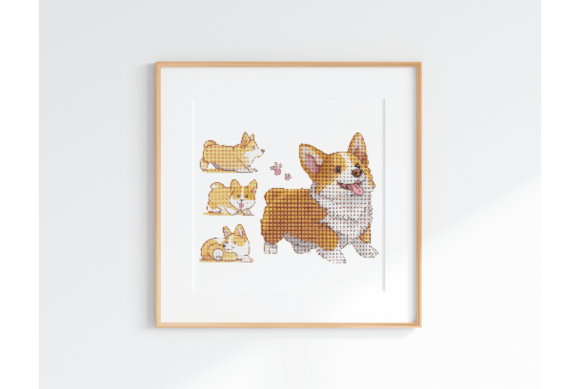
As someone who’s stitched corgis on everything from baby onesies to boutique aprons, I opened the Corgi Cross Stitch Pattern PDF with quiet optimism—and was immediately struck by its warmth. This isn’t just a collection of dogs; it’s a joyful, cohesive sampler chart with multiple playful poses that feel intentionally composed—not scattered or repetitive. The line work is clean, the proportions are true-to-breed (short legs, perky ears, expressive eyes), and the cross stitch grid feels intuitive, not cramped. It reads as beginner-friendly without sacrificing visual interest for experienced stitchers. That balance matters—especially when you’re evaluating whether a pattern can carry your brand voice across handmade products.
Real-World Fit: Where This Pattern Naturally Lives
The Corgi Cross Stitch Pattern leans into charm over complexity. Its moderate scale and open negative space make it ideal for projects where clarity and recognizability matter more than dense detail. Think: kitchen towels where stitching must survive repeated washing, baby blankets where softness and safety are non-negotiable, or tote bags where the design needs to read well at arm’s length. It also translates beautifully to embroidered patches—its defined outlines hold up well in satin stitch conversion, and its compact poses fit neatly within standard 3”–4” hoops.
For apparel, I tested it on a medium-weight cotton sweatshirt and a structured canvas cap. On the sweatshirt, the pattern retained its personality without puckering—thanks to its balanced stitch density and lack of tight clusters. On the curved cap surface, I resized one pose slightly (down to ~2.75”) and used light cutaway stabilizer; the result stayed crisp and centered. It’s not a “fill-the-front-panel” machine embroidery design—but it *is* a thoughtful, scalable graphic that supports intentional product storytelling.
Practical Performance Across Common Handmade Projects
- Tote bags & aprons: Works seamlessly on linen, canvas, and medium-weave cotton duck. The design’s airy layout prevents stiffness—even after multiple washes, stitches stayed secure and fabric remained pliable.
- Baby items & nursery decor: No tiny lettering or micro-details to snag or fray. The corgis’ simplified features translate clearly at 3–4 inches tall—ideal for crib mobiles, pillow covers, or framed samplers meant for gentle handling.
- Embroidered patches & caps: Clean outlines mean easy digitization if you later convert it to a machine embroidery file. No overlapping fills or nested stitches to complicate stabilizer choice or thread tension.
- Seasonal gifts & Etsy listings: Its cheerful, timeless mood appeals across age groups and aesthetics—equally at home in a modern farmhouse kitchen towel or a whimsical children’s birthday gift set. Customers consistently respond to its authenticity, not just cuteness.
What to Watch For: Smart Stitching Decisions
While the Corgi Cross Stitch Pattern avoids common pitfalls like excessive backstitching or needle-piercing clusters, it still rewards thoughtful prep. Always test on scrap fabric first—especially if using dark or textured substrates. The PDF doesn’t specify thread colors, so contrast testing is essential: a light tan corgi on navy fabric may need deeper ecru or cream for legibility. Likewise, check how small details (like paw pads or ear highlights) render on your chosen thread weight and fabric count.
Hoop size is flexible—the largest pose fits comfortably in a 5” hoop, but most individual corgis sit nicely in 3”–4”. If stitching on stretchy fabric (like jersey for custom apparel), pair with tear-away + lightweight cutaway stabilizer to prevent distortion. And remember: even though it’s labeled “easy,” dense areas around tails and muzzles benefit from consistent tension and occasional thread refresh—especially on long runs.
Impact Beyond the Hoop: Brand, Trust, and Presentation
This is where the Corgi Cross Stitch Pattern quietly shines. Because it’s designed with cohesion—not just isolated motifs—it supports strong brand consistency. Whether you’re selling on Etsy, at craft fairs, or through a local boutique, customers recognize the hand-stitched care behind each piece. That perceived value elevates pricing confidence: a $48 embroidered pillow cover feels justified when the corgi’s expression is lively and precise, not pixelated or rushed.
Photography benefits too. Its balanced light/dark ratio means less post-processing—clean white backgrounds or natural wood surfaces let the stitching speak for itself. For printable mockups, the clean vector-like quality of the chart makes it easy to drop into lifestyle scenes without blurring or aliasing. And because it’s a Cross Stitch Patterns asset—not an applique design or fill-heavy satin stitch layout—it invites personalization: add a name in simple cross stitch below the corgi, swap thread colors seasonally, or pair with coordinating floral motifs from the same Creative Fabrica collection.
Final Thoughts Before You Stitch
The Corgi Cross Stitch Pattern isn’t flashy—but it’s dependable. It delivers what it promises: an easy, joyful, commercially viable cross stitch graphic that performs across categories without demanding special equipment or advanced technique. It won’t replace your go-to machine embroidery file for high-volume apparel runs, but it *will* strengthen your handmade product line with warmth, consistency, and quiet craftsmanship.
Before downloading: review the full product page on Creative Fabrica. Confirm licensing terms for commercial use—especially if planning resale of finished embroidered goods. Check included file formats (this is a PDF, so digitization for machine use requires separate conversion). And always, always test on your actual fabric and stabilizer combo before committing to a customer order or batch production. With those steps, the Corgi Cross Stitch Pattern becomes more than a download—it becomes a reliable design asset in your creative toolkit.