Cute Bee Flowers Embroidery Design: A Designer’s Review
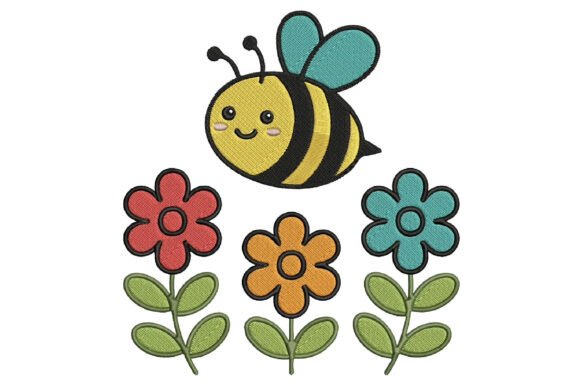
As an embroidery designer who spends hours testing files before they ever reach a customer’s hoop, I’ll admit I’m picky about the character of a design. The Cute Bee Flowers Embroidery Design arrived in my digital library with a promise of sweetness, and after running it through fabric tests, thread color swaps, and mockup planning for a small gift shop, I can say it delivers a cheerful, handcrafted charm that instantly softens a product. The smiling bee, paired with delicate blooms, creates a mood that sits right between playful nursery whimsy and a gentle garden elegance. It’s not overly cartoonish, nor is it purely botanical—it’s that perfect middle ground that makes a personalized gift feel both intentional and heartfelt.
First Impressions: Sweetness That Sells
The first thing I noticed when I loaded the embroidery file was the balance of shapes. The bee’s rounded body, tiny wings, and curved antennae read instantly as friendly, while the flowers add just enough detail to make the design feel special without becoming cluttered. The linework is confident, and the segments flow naturally into one another. This matters because when you’re stitching on a baby blanket or a pillow cover, the design needs to look equally good from a distance and up close. The Cute Bee Flowers Embroidery Design holds that clarity. Emotionally, it taps into feelings of warmth, spring, and new beginnings—exactly the kind of vibe you want for a wedding gift, a nursery decor piece, or a handmade towel meant to brighten someone’s kitchen.
Where This Design Shines: Gift Ideas
I mentally ran through the requests my own gift shop clients often send. This design would be a star in several product lines:
- Baby embroidery: A soft cotton baby blanket with the bee centered near a corner, paired with the baby’s name in a dainty font, becomes an instant heirloom. The cheerful design feels gender-neutral and timeless.
- Personalized towels: A crisp white kitchen towel or a plush bath towel with the Cute Bee Flowers embroidery stitched in a subtle thread color adds a boutique feel. It’s perfect for a housewarming gift or a spring refresh.
- Pillow covers and nursery decor: A linen pillow cover with the bee design on a throw pillow transforms a nursery chair into a cozy corner. The design’s size works well as a focal point without overwhelming the fabric.
- Wedding keepsakes: Imagine a small hoop art piece with the bee and flowers, plus the couple’s initials and wedding date. It’s romantic, whimsical, and entirely giftable. I’ve also pictured it on a ring bearer’s pillow or a custom apron for the couple’s first kitchen.
- Etsy seller listings and craft fair products: The design photographs beautifully on flat lays and styled mockups. Its bright, friendly nature stops scrollers mid-feed, which is gold for online handmade sellers.
- Custom tote bags: A canvas tote with the bee design becomes a cheerful daily companion. The design’s structure works well on sturdy fabric and holds up to repeated use when properly stabilized.
Where to Use Extra Care
No design is universal, and the Cute Bee Flowers Embroidery Design does have a few sensitivity points that I’d flag for any small shop owner or crafter planning to use it on real customer orders. These aren’t dealbreakers; they’re just the notes that separate a professional finished product from a rushed one.
- Small lettering integration: If you’re adding a name or date, keep the lettering separate from the bee’s delicate antennae. Overlapping tiny text on the bee’s detail could muddle both. I always test the placement on a scrap of the actual fabric first.
- Stretchy baby clothes: On a onesie or a knit fabric, the design’s fine wing details might distort if the stabilizer isn’t right. I’d only use a heavy cutaway stabilizer and baste the fabric to prevent shifting.
- Thick towels: On a plush towel, the tiny flower centers can sink into the pile. I’d recommend using a topper like water-soluble stabilizer and choosing a thread color with enough contrast to pop against the terry texture.
- Dark fabric woes: On a navy or charcoal background, the original pastel thread palette might disappear. I always run a test stitch on a dark swatch and adjust thread colors to something brighter or even metallic for a richer look.
- Curved surfaces: If you’re planning to put this on a bib or a curved bodice, the design’s symmetrical layout might warp. I’d stick to flatter surfaces for the best result.
- Frequent washing: For items that will go through the laundry often, like kitchen towels or baby blankets, I’d double-check the stitch density. If the design feels too dense, it could become stiff and prone to thread breaks. Adjusting density in your software before stitching is a smart move.
How It Elevates Your Gift Products
The Cute Bee Flowers Embroidery Design does more than just decorate fabric—it transforms a simple item into a story. That emotional connection is what drives perceived value and customer trust. When a buyer sees a towel with this design, she doesn’t just see a bee; she sees a sunny morning, a garden, a thoughtful gesture. That’s the kind of handmade quality that makes someone choose your product over a mass-produced one.
For Etsy sellers and small business owners, this design also works wonders in product photography. The cheerful motif photographs brightly, and even a simple phone camera shot of a finished blanket with the bee design can evoke springtime freshness. It invites engagement—people love to comment “adorable!” or tag a friend who’s expecting. I’ve noticed that designs with a gentle, joyful creature like this often outperform purely abstract patterns in terms of buyer engagement.
Moreover, the Bugs Insects category might sound niche, but designs like this one cross over into florals, garden themes, and whimsical baby motifs so easily that they attract a wide audience—from a grandmother looking for a personalized baby gift to a bride who wants a subtle bee-and-flower motif on her wedding handkerchief. The design’s versatility is a quiet superpower.
Practical Machine Embroidery Notes for Flawless Results
Before you add this machine embroidery design to your shop’s rotation, here are the steps I personally follow to ensure every finished product looks professional:
- Test on scrap fabric first: Always use the same fabric type and stabilizer combination you plan to use for the final product. I keep a “test journal” with swatches so I can reference how the design stitched out on different materials.
- Check thread color contrast: The thread colors in the digital file are a starting point. I often swap the bee’s yellow for a slightly warmer shade to avoid a washed-out look on natural linen, and I deepen the flower pinks for a more romantic twist.
- Confirm hoop size: The product description didn’t specify a hoop size, so I advise you to open the file in your software and verify the dimensions before assuming it will fit your smallest hoop. This is crucial if you’re offering a mini version on a bib or a pocket.
- Review stitch density: After the first test stitch, I look at the back of the fabric. If there’s too much thread buildup, I adjust the density in my embroidery software. A lighter density makes the fabric softer and more comfortable for baby items.
- Use proper stabilizer: For wovens, a medium cutaway stabilizer works well. For knits, go heavier. For towels, add a water-soluble topper. Don’t skip this step; it’s the foundation of a clean finished product.
- Compare light and dark fabric mockups: Even if you plan to stitch only on white, test a dark swatch just to see how the design translates. It might inspire a whole new product line, like a set of black tea towels with the bee in bright coral and mint.
- Check small details after stitching: The bee’s antennae and the flower stamens are fine lines. After stitching, I use a magnifier to confirm no thread breaks or missing stitches, especially since these details give the design its charm.
- Confirm commercial licensing: The product information didn’t state whether the commercial embroidery license is included. If you plan to sell finished items on Etsy, at craft fairs, or through your website, contact the designer or check the listing to ensure you have the right to sell products made with this digital embroidery file. Never assume—always verify.
Final Advice Before You Stitch
The Cute Bee Flowers Embroidery Design has quickly become one of those files I keep in my “go-to” folder for gift shop planning. It’s a design that feels like a hug—simple, warm, and endlessly adaptable. Whether you’re stitching a single blanket embroidery for a newborn, a set of embroidered towels for a spring market, or a custom order preview for a client who wants something “happy and nature-inspired,” this design will serve you well. Just remember to test, adjust, and always think about the person who will receive the gift. When you stitch with that intention, the finished product becomes more than just thread and fabric—it becomes a memory. And that’s exactly what a great personalized gift should be.