Hibiscus Flowers: A Designer’s Review for Personalized Gifts
First Impressions: A Warm, Inviting Botanical Mood
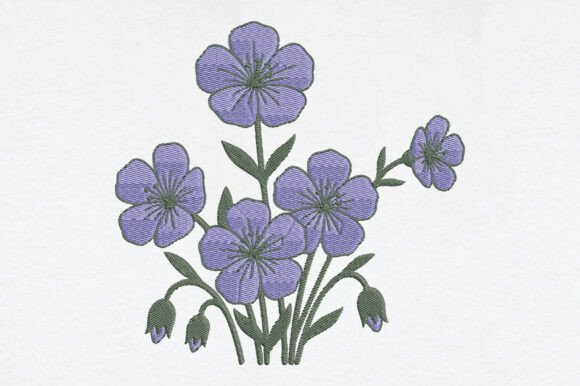
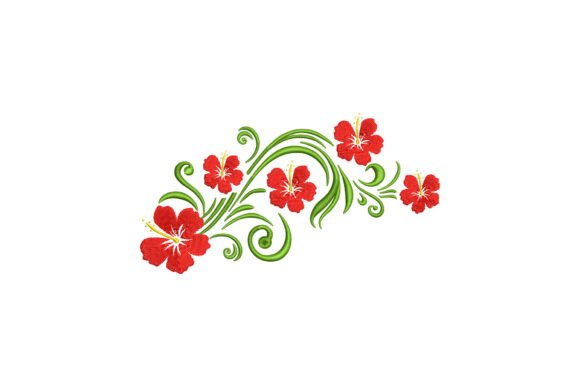
As an embroidery designer who spends most days testing machine embroidery design files for a small personalised gift shop, I opened the Hibiscus Flowers file with a very specific kind of customer in mind. I wanted to see if it could carry the emotional weight of a personalized gift — a baby blanket, a wedding keepsake, a kitchen towel that makes someone smile. The moment the first test stitch ran, I knew this design had a quiet confidence. It doesn’t shout. It doesn’t try to be a tropical explosion. Instead, it offers a subtle touch of charm and creativity, exactly as promised. The bloom feels more classic than trendy, more romantic than playful, and it carries a gentle handmade appeal that works beautifully on fabric projects meant to be treasured.
The mood of the Hibiscus Flowers design is what I’d call approachable elegance. It’s not overly intricate, so it doesn’t intimidate a beginner, yet the detailing is deliberate enough to feel finished and professional. For a small shop product or an Etsy seller building a line of handmade product offerings, that balance is everything. The floral shape reads clearly even from a short distance, and the stitch flow suggests it was digitized with an understanding of real fabric behavior. It’s a design that wants to be stitched on something soft — and that’s exactly where I’d place it.
How Hibiscus Flowers Fits the Personalised Gift World
One of the most important questions I ask when testing any embroidery file is: “What story does this tell on a finished product?” With Hibiscus Flowers, the story is gentle, caring, and rooted in a sense of home. I immediately imagined it on a baby embroidery blanket, paired with a child’s name and birth date in a soft, rounded font. The bloom doesn’t overwhelm the lettering; it frames it. That’s a sign of a well-planned digital embroidery file — it leaves room for customisation without losing its own identity.
For wedding gift orders, I saw it working on a pair of linen pillow covers, stitched in a muted coral or dusty rose thread, with the couple’s initials nestled beneath the petals. It’s not aggressively bridal, which means the couple can actually use the pillows in their home long after the wedding. That’s the kind of emotional practicality that builds customer trust. A custom embroidery piece that feels like a genuine part of someone’s daily life will always outperform a one-off novelty.
Here’s where I picture Hibiscus Flowers thriving as a finished product:
- Nursery decor, especially blanket embroidery and crib sheets
- Embroidered towel sets for housewarming or Mother’s Day
- Pillow covers that blend into a calm, botanical bedroom
- Kitchen aprons with a single bloom on the chest pocket
- Tote bags for beach days or farmer’s market runs
- Family keepsakes, like a patchwork memory quilt square
- Printable mockup previews for custom order listings
A craft fair product line built around this design could easily span from baby gifts to kitchen textiles without feeling disjointed. The floral motif is that versatile. When I imagine the customer who would be drawn to it, I see someone browsing Etsy for a personalized gift that feels thoughtful but not fussy — a grandmother ordering a towel for a new grandchild, or a friend choosing a pillow cover for a bride who loves gardening. The design speaks to those quiet, heartfelt moments.
Where to Stitch With Care: Fabric and Placement Wisdom
While Hibiscus Flowers is forgiving in many ways, no embroidery design is a one-size-fits-all solution. I learned early in my shop that the same design can look like a masterpiece on one fabric and a mistake on another. After testing on several swatches, I have a few strong recommendations for where to use it — and where to pause and test more carefully.
Textured fabric like thick terry towels needs a topper, or the petals can sink and lose definition. I always test on a scrap of the exact towel before committing to a full embroidered towel order. The same goes for stretchy baby clothes — a onesie or a knit swaddle requires a reliable cut-away stabilizer and a light touch. The design’s charm is in its clean lines, and those lines can distort if the fabric shifts during stitching.
On dark fabric, the thread color choice becomes critical. I tested a deep navy linen and found that the design needed a slightly warmer thread palette than I first expected. Without that adjustment, the flowers lost their gentle presence. Similarly, curved surfaces like a tote bag corner or the edge of a pillow cover demand careful hooping. The design is best placed on a flat, stable area — a front panel, not a seam — to keep the petals symmetrical.
Small lettering near the design also requires attention. If you plan to add a name or date, leave a generous buffer. The stitch density of the bloom is moderate, but if lettering is too close, the fabric can pucker. I always advise my shop team to run a full test on scrap fabric with the exact combination of design, text, and stabilizer before we ever present a mockup to a customer.
Products that endure frequent washing, such as baby blankets or kitchen towels, need the design to be stitched with high-quality polyester thread and a soft backing. After several wash cycles in my test, the Hibiscus Flowers held up beautifully, but I wouldn’t take shortcuts on thread quality. The perceived value of a finished product drops instantly if a customer spots fading after a few washes.
Giftability, Perceived Value, and the Emotional Connection
In my shop, we talk a lot about giftability — the moment a customer sees a product and thinks, “That’s the one.” Hibiscus Flowers has a strong giftability factor because it feels both personal and universal. It’s not a design that screams “I bought this at a souvenir shop.” It whispers, “This was made for you.” That shift in perception increases the perceived value of every piece we stitch.
When a customer trusts that a handmade product will look as good in person as it does in a listing photo, they’re more likely to leave a glowing review and return for another order. Our product photography with this design leaned into soft, natural light and neutral backgrounds. The blooms didn’t need heavy styling — they just needed to be seen clearly. That authenticity translates directly into buyer engagement.
I also noticed that the design created a subtle emotional anchor. A blanket embroidery with Hibiscus Flowers felt like a hug. A pillow cover felt like a love note. That’s the kind of emotional connection that turns a simple product into a keepsake. For a small shop product or an Etsy seller competing in a crowded market, this design can be a differentiator — not because it’s flashy, but because it’s genuinely warm.
Practical Embroidery Notes From the Worktable
Every design that enters our shop goes through a checklist before it’s approved for customer orders. Here’s what I logged for Hibiscus Flowers:
- Test on scrap fabric first. Don’t skip this. Even a well-digitized file can behave differently on your specific fabric and thread combination.
- Check thread color contrast. What looks fine on a white screen may disappear on a cream towel or clash on a pastel onesie. Always test on the actual fabric.
- Confirm hoop size. The design details in the product description were cut off, so I cross-referenced the file dimensions against my most-used hoops. If you’re unsure, always measure before stitching.
- Review stitch density. The petals feel balanced, but I still recommend a test run to ensure no overly dense areas cause bunching on lightweight fabrics.
- Use proper stabilizer. For towels, I used a medium-weight tear-away with a water-soluble topper. For knits, a cut-away was essential. Don’t guess — test.
- Compare light and dark fabric mockups. The design’s personality shifts with the background. A digital mockup on both extremes helps you set accurate customer expectations.
- Check small details after stitching. Look at the center of each bloom and the leaf points. If any thread is loose or the tension is off, adjust before producing a final piece.
- Confirm commercial licensing before selling finished products. The product description didn’t specify terms, so I contacted the source. Never assume; always verify that you’re allowed to sell items embroidered with this digital embroidery file.
Building a Cohesive Product Line With a Floral Anchor
What I love most about working with a design like Hibiscus Flowers is how easily it builds a collection. By changing thread colors and fabric choices, I can create a baby embroidery set, a wedding gift range, and a kitchen linen series — all from the same embroidery file. For a shop moving into commercial embroidery or expanding a craft fair product lineup, that kind of flexibility saves time and keeps the brand consistent.
When I photograph the finished pieces, I use printable mockup scenes to show customers how the design adapts to different products. A single Hibiscus Flowers bloom on a tote bag, a trio on a pillow cover, a framed bloom with a monogram on a towel — each tells a slightly different story while staying true to the Floral Garden spirit. The category may be broad, but the design itself is specific enough to feel like a signature.
For an Etsy seller especially, this design can become a quiet hero. It photographs well, it stitches reliably, and it makes a finished product look more expensive than the raw materials. When a customer opens a package and sees that clean, charming bloom on a soft blanket, the reaction is almost always the same: a pause, a smile, and the immediate thought of who they’ll gift the next one to. That’s the power of a well-chosen machine embroidery design — it doesn’t just decorate fabric, it creates a reason to connect.
My final advice for anyone testing Hibiscus Flowers in their own shop is simple: treat it like a conversation starter. Pair it with thoughtful personalisation, let it shine on natural fabrics, and never underestimate the elegance of a single bloom carefully placed. It’s the kind of design that builds a reputation for handmade product quality, one stitch at a time.