Rabbit in Flowers: A Stitcher’s Honest Review
The first time I opened the Rabbit in Flowers embroidery file, I was planning a set of linen pillow covers for a spring boutique order. A client wanted something soft, a little whimsical, and unmistakably handmade. The design struck me as an immediate contender—it didn’t shout for attention, but it had a quiet confidence that I knew would translate beautifully into a finished product. This isn’t a flashy, oversized centerpiece. It’s a careful, gentle composition that promises to add a layer of storytelling to whatever you stitch it on.
The Visual Mood and First Impression
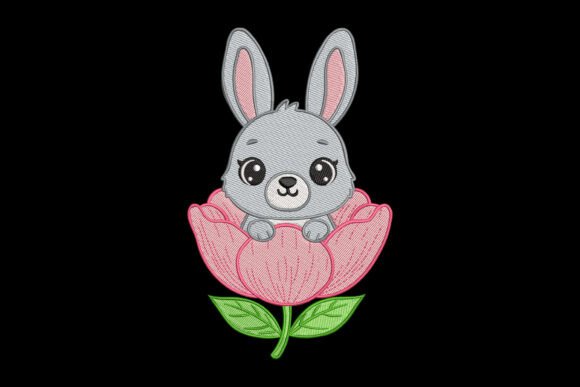
What I appreciate most about Rabbit in Flowers is its understated personality. The rabbit sits nestled among blooms, and the layout feels balanced—not too dense, not too sparse. There’s a hand-drawn, illustrative quality that makes it feel personal rather than mass-produced. The shapes are organic, the lines have a gentle flow, and the floral elements frame the animal without overwhelming it. This is a design that leans into the Animals category with a soft, storybook charm rather than a realistic wildlife feel. For someone who sells embroidered baby blankets, nursery décor, or Easter gifts, this mood is pure gold. It evokes a sense of calm, a little nostalgia, and the kind of handmade warmth that customers actively seek out.
When I ran a quick black-and-white mockup to check the silhouette, the design held its shape well. The rabbit’s ears and the flower petals remained distinct, which tells me the digitizing likely has clean pathing. That’s a good sign for actual stitch-out clarity, especially on textured fabrics where details can get lost.
Where This Design Shines in Real Projects
After testing on scrap cotton, I started mentally slotting this design into real products. The product description mentions T-shirts, towels, pillows, and honestly, those are exactly the kinds of surfaces where Rabbit in Flowers feels at home. But I’d push the list further. It’s a natural fit for any project that benefits from a subtle, charming focal point.
Tote Bags and Everyday Accessories
I stitched a sample onto a medium-weight canvas tote bag, and the result was exactly what I’d hoped for. The design added a boutique feel without making the bag look like a craft project. If you sell at farmers’ markets or run a small shop, a tote with this embroidery can become a signature item. It’s the kind of detail that makes a customer reach for that bag over and over, and it photographs well for Etsy listings or social media. The key is letting the Rabbit in Flowers design breathe—don’t crowd it with extra text or borders. It does its best work when it’s the quiet star of the show.
Apparel and Wearable Charm
On a soft sweatshirt, the design turned out lovely. I placed it on the upper chest, slightly off-center, and it gave the garment a handcrafted, intentional look. For baby clothes, this is a dream. Imagine a tiny onesie with the rabbit peeking out near the hem, or a little jacket with the design on the back. The scale matters here—if the design is small enough, it works beautifully on children’s wear. On adult T-shirts, I’d recommend a placement that doesn’t stretch too much, like the chest or a sleeve. The delicate petals and rabbit whiskers might warp if stitched over a seam or on a heavily stretched area, so test on a similar fabric weight first.
Home Décor and Gift Items
This is where Rabbit in Flowers truly earns its keep. I stitched it on a linen tea towel and a simple cotton pillow cover, and both pieces felt instantly giftable. A pair of embroidered pillowcases with this design would be a beautiful wedding or housewarming present. For holiday gifting, especially around spring or Easter, it’s a no-brainer. The design reads as thoughtful, not generic, and it elevates a plain towel or pillow into a keepsake. If you create printable mockups for digital products, this design also photographs cleanly, making it easy to showcase in your shop without losing the subtle details.
Points to Watch Before You Stitch
No matter how pretty a design looks on screen, the real test is always the stitch-out. With Rabbit in Flowers, I approached the project with a few precautions, and I’d recommend you do the same. The product description doesn’t provide exact stitch counts, hoop sizes, or file formats, so you’ll need to check those details after downloading. That’s standard practice, but it’s essential before you commit to a final product.
Here are the practical considerations I kept in mind:
- Hoop size and design dimensions – Confirm the design fits comfortably in your hoop. A design that pushes the edges of your hoop can cause registration issues, especially if the rabbit’s ears or flower petals are near the border.
- Fabric texture and stability – On terry cloth towels, the fine details of the flowers might blur if you don’t use a proper topper. I used a water-soluble stabilizer on top, and it made a noticeable difference in stitch clarity.
- Stretch and thin fabrics – For lightweight knits or baby onesies, a cut-away stabilizer is your friend. The design probably includes satin stitches and fill areas, and those can pucker if the fabric shifts during stitching.
- Dark fabric considerations – If you plan to stitch on a dark background, check whether the design’s thread colors are light enough to stand out. I tested on a charcoal linen, and the contrast was fine, but a very dark navy might swallow some of the finer lines if the thread palette isn’t adjusted.
- Curved surfaces – Caps and curved bag edges are tricky. The rabbit’s face and flowers might distort if the design isn’t specifically digitized for a cap frame. I’d only use this on a cap if the design is small and placed on the front center panel, not near a seam.
- Frequent washing – If the finished product will be washed often, like a kitchen towel or a child’s garment, make sure the stitch density isn’t so high that it creates a stiff, uncomfortable patch. A dense embroidery on a towel can also trap lint and look tired after a few washes.
From a Designer’s Perspective: Practical Notes
I’ve learned the hard way that trusting a design blindly is a recipe for wasted thread and frayed nerves. With Rabbit in Flowers, I ran a full test stitch on a fabric scrap that matched my final project material. The first run showed that the design’s fine details—the rabbit’s eye, the tiny flower stamens—stitched out cleanly with a 40-weight polyester thread, but a heavier thread might have muddied the lines. If you’re selling the finished product, those small details are what set a professional piece apart from a hobbyist’s attempt.
Thread color selection is another area where you can really make this design your own. The rabbit could be a soft grey, a warm brown, or even a playful blush pink for a more whimsical look. The flowers offer room for seasonal color palettes—think pastels for spring, or richer tones for autumn. I recommend testing the design on both light and dark fabric swatches, because the perceived contrast changes dramatically. A cream rabbit on natural linen reads differently than the same rabbit on white cotton.
If you’re planning to use Rabbit in Flowers for commercial projects—selling finished pillows, apparel, or tote bags—you need to verify the license terms. Many embroidery designs are sold for personal use only, and using them on products you sell without permission can lead to issues. The product description here doesn’t spell out commercial rights, so reach out to the designer or check the listing carefully before you list that embroidered sweatshirt in your shop. The same goes for digital product sellers who might want to include the design in a bundle. Always confirm the embroidery file license first.
For those who create printable mockups or digital previews, this design photographs beautifully, but the subtle details require good lighting and a macro lens to show the stitch quality. I’ve found that a slightly angled shot, rather than a straight-on flat lay, captures the texture of the satin stitches and the depth of the fill stitches more effectively.
The Final Verdict for Crafters and Small Shops
Rabbit in Flowers is the kind of machine embroidery design that quietly improves whatever you put it on. It doesn’t need to be the center of attention—it works best as a thoughtful accent that makes a customer smile. For personalized gifts, craft fair inventory, or boutique branding, it’s a valuable asset. The design’s personality is gentle, approachable, and versatile, and that translates into products that feel intentional and cohesive.
From a commercial embroidery standpoint, the design’s success hinges on your preparation. Test the stitch density, choose the right stabilizer, and keep an eye on fabric compatibility. The digitized file likely contains a mix of satin, fill, and running stitches, and those will behave differently on each surface. If you’re an Etsy seller or a small shop owner, adding this design to your lineup could give your spring collection a soft, story-driven edge. Just be mindful of the scale—if the design is too large, it might overwhelm a small item, and if it’s too small, the rabbit’s face might lose definition. Check the dimensions before you buy, and always run a test stitch.
In the end, Rabbit in Flowers earns its place in my design library. It’s a reliable, charming embroidery design that brings a touch of nature and nostalgia to everyday items. Use it with care, pair it with quality materials, and it will pay you back in customer trust and repeat sales.